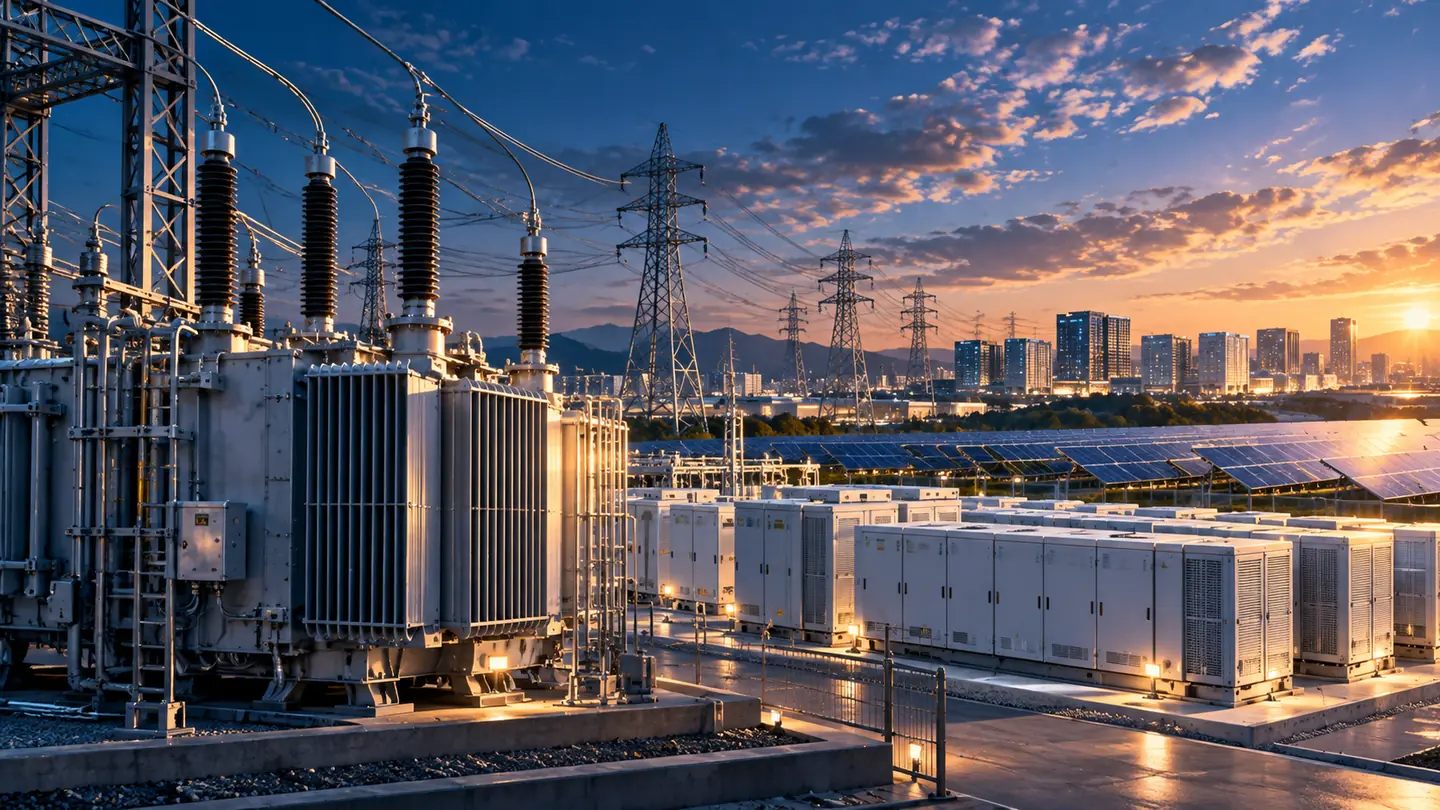
Using smarter meters to make electricity work better: Osaki Electric
Imagine heating water when the day's solar generation is abundant. A familiar electricity meter could help make this possible.
Osaki Electric supplies smart meters in Japan and abroad. Its subsidiary EDMI has announced overseas contracts worth over ¥55 billion in planned sales across five years. Meanwhile, Osaki and partners have developed a water-heater control approach using meter communications and announced plans for joint trials. Meter sales support earnings today; smarter energy use points to a possible next chapter.
A meter could help change when electricity is used
Smart meters transmit usage data remotely, reducing manual readings and improving outage awareness. Japan's next-generation rollout adds more detailed metering and communications.
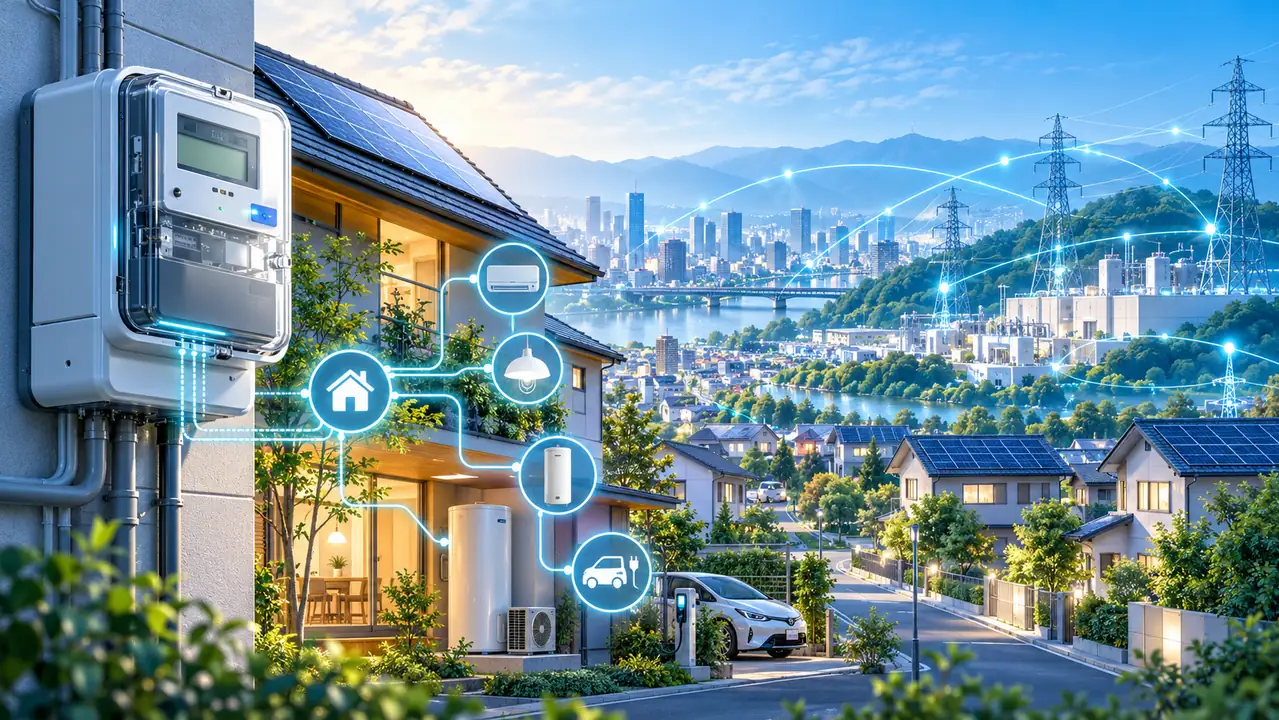
Osaki and three partners developed a system that uses the meter's communication module to help control electric water heaters. Heating water when solar output is abundant shifts demand to a more useful time; it does not store electricity. Joint trials have been announced to assess the commercial potential of the IoG (Internet of Grid) technology.
Today's revenue still comes from meters and related systems. The trials show where the technology might go next.
Meter upgrades, major contracts and a new control trial
The first four developments concern current business and earnings. Water-heater control is a possible future use for meters.
From measuring electricity to helping schedule its use
Meter communications could help adjust when household devices run, potentially reducing the need for extra control equipment.
Participating in trials does not itself create recurring revenue. The commercial question is which products and services Osaki can supply and get paid for. Meanwhile, the company's operating profit forecast for the year ending March 2027 is ¥8.1bn, below its ¥9.0bn medium-term plan target.
What will make this expansion profitable?
- Replacement demand is cyclical, not permanent growth
- Utility tenders and price competition can squeeze margins
- Australia's installation pace and UK renewal cycles are external constraints
- Outsourced manufacturing introduces quality and delivery risks
- IoG services remain in testing with unclear pricing and adoption
- Fine-grained meter data and control create privacy and cyber risks
- One-off asset disposals should not be valued as recurring ROE
Meter renewals are underway, with control services in trials
Second-generation meters are selling and quarterly operating profit rose about 80%.
Meter-linked water heater control could make renewable power more useful.
Manufacturing reform, contract margins and commercialization.
Track operating cash flow and real-life IoG outcomes.
Track overseas profitability and the water-heater trial
Check whether the Malaysian sale closes and production outsourcing progresses.
The official IR calendar had not announced a date as of October 18. Review domestic and overseas operating margins and cash flow when results are published.
Compare results with the ¥9 billion company target.
Check practical benefits, commercial operators and Osaki's revenue role.
Value the meter business first, then the services it may enable
Oct. 16, 2026 close
Focus on earnings from smart meters first. Assign value to water-heater control only once commercialization and revenue are demonstrated.
- What does the share price imply?P/B is about 1.07x. That does not suggest an obvious large premium for the new service, but P/E and P/B alone cannot reveal precisely what investors expect.
- Can the core business deliver?Operating profit was ¥6.526bn last year. The company forecasts ¥8.1bn this year (+24.1%), ¥0.9bn below its ¥9.0bn medium-term target. The test is whether domestic replacements and overseas contracts translate into profit.
- What would change the assessment?Better margins and operating cash flow from contract deliveries and manufacturing changes would strengthen the case. Missing the ¥8.1bn forecast would weaken it. We would revisit the service opportunity when commercial contracts and revenue become visible.
Key sources and references
- EDMI Australia and New Zealand contracts: ¥55bn+ over five years
- October 16, 2026 valuation and dividends
- Q1 FY2027 results
- IoG electric water heater control
- Medium-term plan
- FY2027 company earnings forecast
- Overseas manufacturing restructuring
- Dividends and shareholder benefits
- Historical share prices
Read next
Explore more companies through the same lens of social change and shareholder value.